
BASIC INFORMATION FOR PATIENTS
Ibogaine is an alkaloid extracted from some plants originating in Africa, such as Tabernanthe Iboga and Voacanga africana. It has been used in ancestral rituals in Africa, since prehistoric times. In 1962 Howard Lotsof discovered that ibogaine has a very significant effect in the treatment of chemical dependence.
Since then, it has been used in the treatment of addiction to opioids, other psychoactive substances and non-chemical addictions.
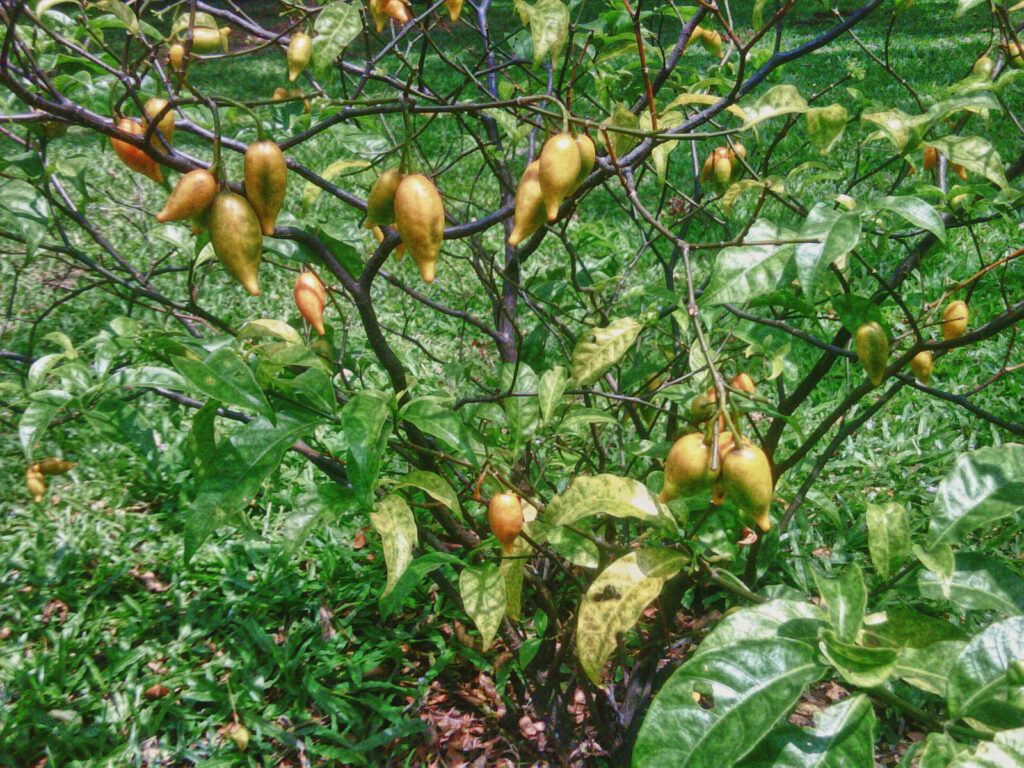
Brazil is one of the countries that has stood out the most in the current renaissance of psychedelics in science, and local legislation allows Beneva to offer treatments with ibogaine for addiction to opioids and other drugs under absolutely legal and safe conditions, with professionals with extensive experience.
Beneva is a network of clinics based in Brazil, which works with an integrative approach to mental health care. Exploring the newest frontiers of scientific knowledge about psychedelics, we help people in their quest for health and quality of life.
The opportunity to be treated with ibogaine legally in a hospital is also accessible to foreign patients, who can have the experience in a short trip to Brazil, with full support from our professionals throughout the treatment period – before, during and after the travel.
In this page, we have included the most important and most sought-after information by patients who want to treat some type of addiction. We hope they help you better understand the potential of this treatment and how it works. And if you need it, we look forward to helping you in your journey to a better life.
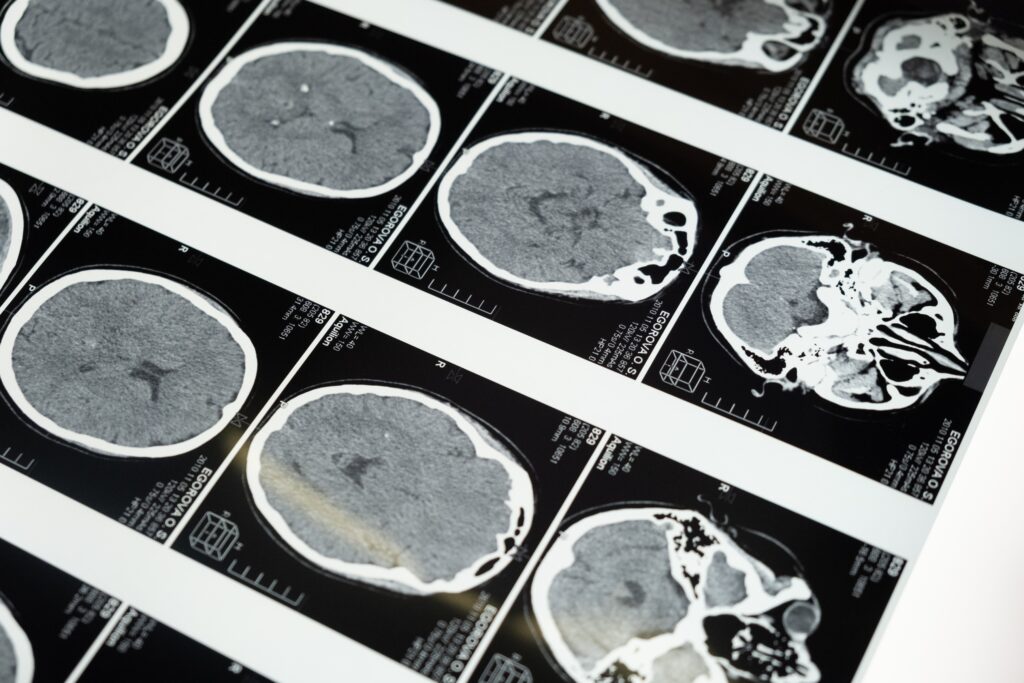
Ibogaine stimulates, by the brain, the production of the hormone GDNF (Glial cell derivated neurothrofic factor), which boosts the connection between neurons, the formation of synapses and balance of neurotransmitters, leading to a sustained feeling of well being and a decrease in the desire to consume drugs.
An observational study published in the Journal of Psychopharmacology showed that patients who participated in at least one session with ibogaine had an average of 5.5 months of abstinence, without symptoms such as cravings; those who took more than one session had 8.4 months of abstinence.
The study involved 75 patients out of more than 2,000 already treated by Dr. Bruno Rasmussen, clinical director at Beneva, who has been working with ibogaine since 1997. In addition to Eduardo Schenberg and Maria Angélica de Castro Comis, one of the key references in Brazilian drug research, Dartiu Xavier — a professor at the Federal University of São Paulo and Beneva’s scientific advisor — was also involved in the study.
According to the results, the use of ibogaine supervised by a doctor and accompanied by a psychotherapist can facilitate abstinence, being safe and effective in the treatment of addiction.
Psychotherapy is an essential part of treatment. The sessions begin at least one month before the ibogaine session and continue for at least another month. During the ibogaine session, patients often access deep memories from childhood and adolescence, and some of these can be painful.
It may not be easy to deal with the feelings that arise, but accessing these memories in a guided and protected way is precisely an improvement factor. Psychotherapeutic follow-up helps to “digest” the experiences seen and felt during the effect of the substance, helping patients to deal better with them.
Furthermore, after ingesting ibogaine, the brain undergoes a period of high neuroplasticity. Psychotherapy at this stage can greatly benefit from this state, allowing the patient to more easily reframe past events, produce and consolidate new habits and perspectives on life.
He is Beneva’s CMO and one of the most clinically experienced physicians in the use of ibogaine for addiction in the world. In nearly thirty years, Rasmussen has treated more than 2,000 patients with integrated ibogaine mental health psychotherapies. Having graduated from Federal University of Sâo Paulo with a medical degree specializing in internal medicine and gastroenterology, he is a certified member of MAPS (Multidisciplinary Association For Psychedelic Studies) and led the only phase 3 MDMA clinical trial in Latin America until now.
A well-known Brazilian psychiatrist, he is Beneva’s scientific advisor and chief psychiatrist for ibogaine patients. In his four decades of experience, he has developed an academic and clinical career focused on addiction and substance abuse treatments. He became a pioneer in research with ayahuasca, psilocybin, ibogaine and MDMA in Brazil and is a member of the American Psychiatry Association, the International Association for Analytical Psychology, and a research fellow at the University of California (UCLA).
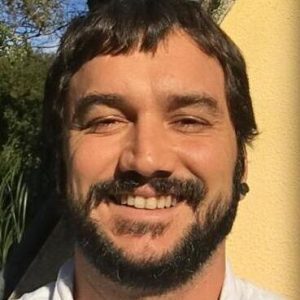
He is a psychologist and has a master’s degree in public health from University of São Paulo, as well as a doctorate in collective health from State University of Campinas. He researched the use of ayahuasca for the recovery of homeless people, and the use of ibogaine in the treatment of drug addiction. He has been working since 2010 with psychotherapy associated with the use of ibogaine, ayahuasca and other psychedelics in addiction treatment.
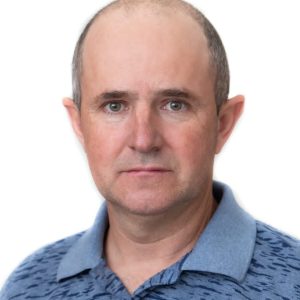
More than a decade of experience in supporting patients undergoing ibogaine-assisted therapy in Brazil and the only nurse in the country with all the expertise in the protocol performed in hospital.

Working with Dr. Bruno Rasmussen for 14 years, she is responsible for welcoming and supporting patients from their first contact until the end of treatment, in all practical matters.
Treatment begins at least one month before the ibogaine session. In this first phase, the patient undergoes examinations, psychological preparation and a substance washout. Then he does the psychedelic session with medical supervision, in a hospital. After all, after this experience, the patient undergoes a last phase of psychological follow-up, which prepares him for his new life. All stages of treatment are designed to increase the effectiveness of treatment and ensure a safe journey, with adequate screening, exam protocol and individualized assessment of each patient by our team of experts.
At Beneva, safety comes first. Then patients undergo a screening, which assesses their general health condition, as well as their psychological and psychiatric status. The aim is to ensure that the patient does not have any contraindications to the use of ibogaine.
Admitted to treatment, the patient begins the phase of medical and psychological follow-up. In addition to preparatory psychotherapy, the patient receives support from specialist doctors to perform a washout. He needs to stop using some medications and, in the case of addiction to stimulants or alcohol, complete a period of abstinence before the session with ibogaine. The objective is to prevent cardiac complications that can be caused by the interaction between these substances.
Upon arrival in Brazil, the patient and his/her companion check-in at the hotel, where they will also meet the team that will perform the treatment. The next day, early in the morning, the patient is hospitalized for his ibogaine session. The patient receives a high dosage of GMP purified ibogain. He is discharged within 24 hours and returned to the hotel. One more day and he can board back home.
After the session, patients spend a few days thoughtful and introspective. The first psychotherapy sessions take place on these days and help people digest their experience. Usually, the drug craving goes away, while your brain still benefits from increased neuroplasticity. Psychotherapy will support the patient in this crucial moment of resignifying and rebuilding his life from a new and promising perspective.
Ibogaine is an alkaloid extracted from some plants originating in Africa, such as Tabernanthe Iboga and Voacanga africana. It has been used in ancestral rituals in Africa, since prehistoric times. In 1962 Howard Lotsof discovered that ibogaine has a very significant effect in the treatment of chemical dependence.
By stimulating the production of the hormone GDNF (Glial Cell Derivated Neurotrophic Factor), ibogaine stimulates the connection between neurons, the formation of synapses, and the balance of neurotransmitters, leading to a sustained feeling of well-being and a decrease in the desire to consume drugs.
Yes, eliminating cravings and removing abstinence in a few hours.
Serious diseases of the heart, kidneys, liver, and more serious mental problems, such as psychoses.
Ibogaine is not listed in ANVISA’s Ordinance 344 on controlled drugs. However, it is not yet registered in Brazil. Thus, it can only be used in the “import of medication for personal use” modality.
The patient undergoes some general tests, such as blood tests and electrocardiogram, and some psychotherapy sessions. Afterwards, the patient is admitted to a hospital for 24 hours to be monitored and cared for during the effect of the substance. After that, he is discharged and continues with a few more therapy sessions until final release.
Ibogaine Hydrochloride, manufactured in accordance with good pharmaceutical practices and with purity above 99%. This is important for the safety of the treatment, as impurities can be responsible for undesirable reactions.
Yes, in the case of stimulants like cocaine and crack. The reason is that if ibogaine enters an organism where these substances circulate or where they have recently circulated, there is a wealth of potentially dangerous cardiac arrhythmias.
Our team will provide all the necessary support, both medication and psychotherapy. Virtually all of our patients have this problem, but with the right support they can get well during this period, without as much difficulty as it initially seems. As a last resort, if necessary, we suggest a short hospitalization for this detox.
To prevent and protect the patient from serious cardiac complications.
During your hospital stay you must be alone. But at discharge, many patients still report a little dizziness and nausea, so it is important to have a trusted companion to support them until full recovery.
This is precisely why we recommend psychological preparation, so that the person arrives prepared for what may come up during the experience. And the psychotherapeutic follow-up after taking the medication helps to assimilate these experiences and to deal better with them. On the contrary, access to these memories in a guided and protected way is a factor of improvement.
Yes, to make sure that no potentially harmful substances are in circulation. If the test is positive, taking the medication is postponed until the clinical conditions are satisfactory.
Between 5 to 7 days.
By no means, the way we import the medication and do the treatments is totally within the legal framework.
It’s not a miracle. This research looked at the treatment results of 75 people treated with ibogaine for addiction and found that at the end of one year, 72% remained abstinent.
The secret to avoid complications is to strictly follow the recommended protocol, performing the required tests and making an effort to abstain beforehand. This is what prevents any kind of serious complication.
Yes. For the past 28 years, we have witnessed this effect regularly among our patients. In addition to this clinical experience, recent studies have confirmed this effect. The reason for this appears to be the rebalancing of neurotransmitters caused by ibogaine.
Different people experience different effects. Personal characteristics, history of substance use and expectation are some of the things that can influence the psychedelic experience. The therapeutic effect, however, does not depend on the intensity of the sensory experience. Also, the patient will deal with some side effects. The succession of events is usually divided into three main phases.
About 60 minutes after ingesting ibogaine, general symptoms such as nausea, dizziness and tremors manifest, in addition to some sensory distortions. It is common for patients to hear tinnitus and feel greater sensitivity to sound and light.
The general symptoms gradually disappear and thoughts begin to flow more quickly. Most patients - but not all - at this stage have memories and visions of moments in life, usually childhood and adolescence. The memories are as vivid as a movie, in some cases, patients interact with people they “meet” at this stage. Some patients, however, do not notice any psychological change at this stage. Absence of effects is not a marker of treatment success.
As memories fade, the patient enters a final phase of consciousness expansion. The patient begins to have insights into everything he remembered and saw, reinterpreting events, behaviors and perceptions about himself, about others and about life. It is common for patients to stay up all night, processing the experience.
Yes. The importation and use of ibogaine is guaranteed by a 2014 Resolution of the Board of Anvisa (sanitary authority equivalent to FDA in Brazil). It allows the importation of unregistered medicines in Brazil for individual use, if the patient has a medical prescription – which applies to ibogaine produced under Good Manufacturing Practices. Importation is also allowed because the substance is not included in the list of controlled substances of the country.
“Unregistered medicines can be imported and used as long as they have a medical prescription, are imported on behalf of the patient for personal use, and in quantity for short-term use (up to 180 days).”

In addition, an opinion from the State Drug Council of January 14, 2016 expressly authorizes the use of ibogaine for the treatment of addictions, in a hospital environment, with medical monitoring, and encourages the development of research on the use of the substance for this purpose::
“The active principles derived from Tabernanthe iboga and other species of the genus Tabernaemontana (Apocynaceae family), particularly ibogaine formulations, can only be administered for the treatment of problematic use of psychoactive substances, in a hospital environment, with medical supervision and control, taking into account the exercise of the profession and the recommendations of good clinical practice, including careful clinical and psychiatric examinations, as well as psychological assessment and psychotherapeutic follow-up.”
We’d love to hear from you.
Mestre em Saúde Pública pela FSP-USP e doutor em Saúde Coletiva pela UNICAMP. Pesquisou o uso de ayahuasca para recuperação de população em situação de rua, e o uso de ibogaína no tratamento da dependência de drogas. Trabalha desde 2010 com psicoterapia associada ao uso de ibogaína, ayahuasca e outros psicodélicos no tratamento de dependência.
Master in Public Health from FSP-USP and PhD in Public Health from UNICAMP. His research included the use of ayahuasca for the treatment of homelessness and the use of ibogaine for the treatment of drug addiction. Since 2010, he has been using ibogaine, ayahuasca, and other psychedelics for addiction treatment.
Graduated from the Federal University of Paraíba (UFPB), with a medical residency in anesthesiology from Santa Casa de Santos and a postgraduate degree in pain from Hospital Israelita Albert Einstein.
CRM 166432
Supervisor of the Affective and Anxious Disorders Program at the Federal University of São Paulo (PRODAF/UNIFESP). Master in psychiatry and medical psychology, and doctoral student in psychiatry and medical psychology at UNIFESP. He specializes in high-complexity clinical psychiatry and is a collaborating psychiatrist and researcher at UNIFESP’s Ketamine Clinic. Graduated in cognitive-behavioral therapy from CETCC, he has a degree in medicine from the State University of Londrina (UEL). Member of the Brazilian Association of Psychiatry.
CRM 178856
Doctor graduated from the UNIFESP’s Escola Paulista de Medicina, with a medical residency in anesthesiology also from UNIFESP. He has a specialization in acupuncture by the Brazilian Medical Association of Acupuncture.
CRM 139080
Physician graduated from the Fluminense Federal University (UFF), with a medical residency in anesthesiology from the General Hospital of Ipanema (RJ) and a postgraduate degree in pain from the Hospital das Clínicas da Faculdade de Medicina da USP (HCFMUSP), where he also specialized in acupuncture by the Institute of Orthopedics and Traumatology.
CRM 112228
Graduated from UNIFESP’s Paulista School of Medicine. Throughout his four decades of experience, he became a pioneer in the research into ayahuasca, psilocybin, ibogaine, and MDMA in Brazil, working as a consultant for the Ministry of Health. A member of the American Psychiatric Association, the International Association for Analytical Psychology, and a researcher at the University of California (UCLA).
CRM 34833
Medical director of Bienstar, graduated in medicine from the UNIFESP’s Escola Paulista de Medicina, specializing in internal medicine and gastroenterology. Over nearly thirty years, Dr. Rasmussen has treated more than two thousand patients with integrated mental health psychotherapies using psychedelic substances, especially ibogaine. Among other assignments, he was chief physician of the only clinical trial with MDMA in phase 3 developed in Latin America, certified by MAPS (Multidisciplinary Association For Psychedelic Studies).
CRM: 49871
Supervisor do Programa de Distúrbios Afetivos e Ansiosos da Universidade Federal de São Paulo (PRODAF/UNIFESP). Mestre em psiquiatria e psicologia médica, e doutorando em psiquiatria e psicologia médica pela UNIFESP. Tem especialização em psiquiatria clínica de alta complexidade e é psiquiatra colaborador e pesquisador da Clínica de Cetamina da UNIFESP. Formado em terapia cognitivo-comportamental pelo CETCC, possui graduação em medicina pela Universidade Estadual de Londrina (UEL). É membro da Associação Brasileira de Psiquiatria.
CRM 178856
É médico formado pela Escola Paulista de Medicina da UNIFESP. Já atuou como consultor do Ministério da Saúde, e, em suas quatro décadas de experiência, desenvolveu uma carreira acadêmica e clínica focada em dependência química, tornando-se um pioneiro nas pesquisas com ayahuasca, psilocibina, ibogaína e MDMA no Brasil. É membro da Associação Americana de Psiquiatria, da Associação Internacional de Psicologia Analítica e pesquisador da Universidade da Califórnia (UCLA).
CRM 34833
É médica formada pela Escola Paulista de Medicina da UNIFESP, com residência médica em anestesiologia também pela Unifesp. Possui especialização em acupuntura pela Associação Médica Brasileira de Acupuntura.
CRM 139080
É médico formado pela Universidade Federal da Paraíba (UFPB), com residência médica em anestesiologia pela Santa Casa de Santos e pós-graduação em dor pelo Hospital Israelita Albert Einstein.
CRM 166432
É diretor médico da Bienstar, formado em medicina pela Escola Paulista de Medicina da UNIFESP, com especialização em medicina interna e gastroenterologia. Ao longo de quase trinta anos, já tratou mais de dois mil pacientes com psicoterapias integradas de saúde mental com substâncias psicodélicas, especialmente com ibogaína. Entre outras atribuições, foi médico chefe do único ensaio clínico com MDMA em fase 3 desenvolvido na América Latina, certificado pela MAPS (Multidisciplinary Association For Psychedelic Studies).
CRM: 49871
É médico formado pela Universidade Federal Fluminense (UFF), com residência médica em anestesiologia pelo Hospital Geral de Ipanema (RJ) e pós-graduação em Dor pelo Hospital das Clínicas da Faculdade de Medicina da USP (HCFMUSP), onde também especializou-se em acupuntura pelo Instituto de Ortopedia e Traumatologia. Área de atuação em Dor pela Associação Médica Brasileira (AMB).
CRM 112228